
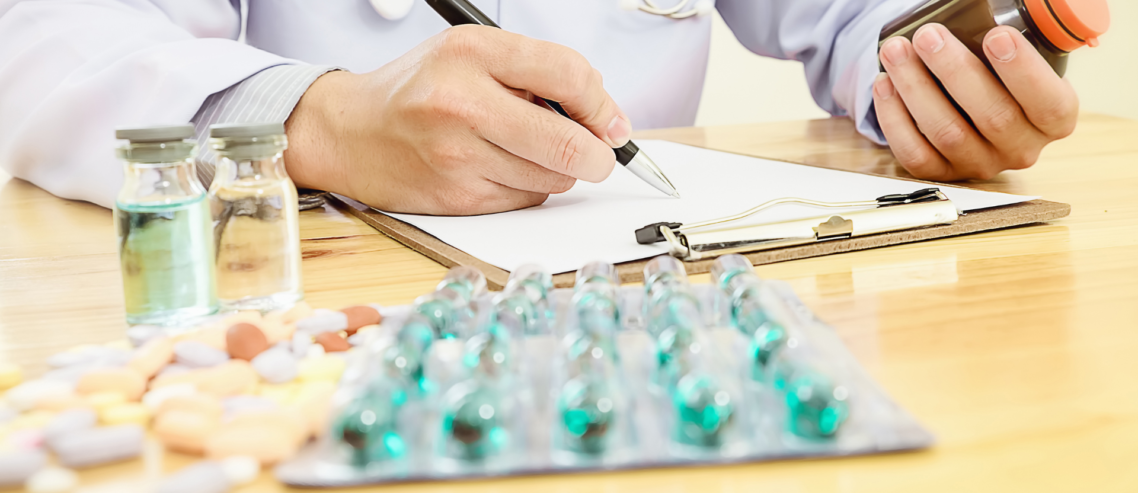

Medicine and Treatment for Food Poisoning in Thailand
This Pacific Prime Thailand article explores food poisoning, a common local health concern often treated with oral rehydration solutions, probiotics, and antibiotics. Knowing how to prevent infection, differentiate between that and a stomach bug, and when to seek professional care can make all the difference to your recovery.

Common Symptoms of Food Poisoning in Thailand
If you’re visiting Thailand, recognizing the symptoms of food poisoning early can help you take the right steps for treatment. Common signs include:
- Nausea and vomiting: Persistent vomiting is a key indicator that your body is attempting to expel toxins from contaminated food.
- Diarrhea: Watery and frequent stools are a hallmark symptom.
- Abdominal cramps: Painful stomach cramps often accompany diarrhea and vomiting.
- Fever: Mild to moderate fever occurs as the body fights off the infection.
Constant vomiting and diarrhea can very quickly lead to dehydration. Make sure to hydrate yourself consistently with electrolytes and watch for the following symptoms:
- Dry mouth and throat
- Dizziness or lightheadedness
- Dark yellow urine or reduced urination
- Fatigue or irritability
- Lack of sweat or tears
- Pinched skin very slowly returns to its original position instead of bouncing back
If any symptoms of food poisoning persist or worsen, seek medical care immediately. Severe dehydration can lead to death, especially in young children, elderly individuals, and people with weakened immune systems.
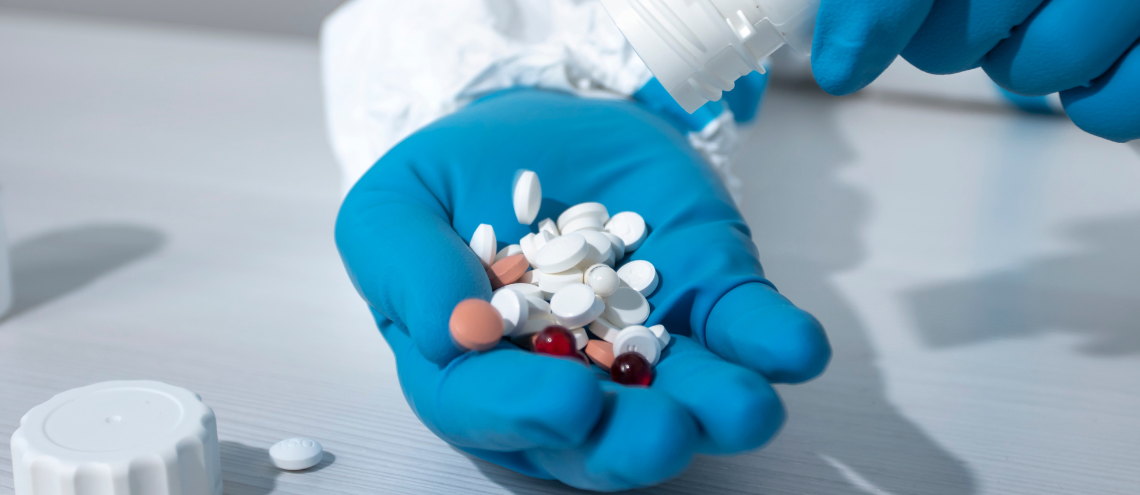
Medicines to Treat Food Poisoning in Thailand
Effective treatment for food poisoning involves addressing both the cause and symptoms. Here are the most effective options, many of which can be found at pharmacies across Thailand:
1. Oral Rehydration Solutions (ORS)
ORS sachets are crucial for preventing dehydration caused by diarrhea and vomiting. These salts, widely available in Thai pharmacies and 7-Eleven stores, help replenish lost electrolytes.
2. Antidiarrheal Medications
Racecadotril or Loperamide (Imodium) can slow or stop diarrhea but Loperamide should only be used in emergencies or upon medical advice, as those suffering from food poisoning can risk prolonging their condition by using it to halt the expulsion of diarrhea and thus harmful toxins. If you have blood in your stool or a high fever, seek medical help instead.
3. Antiemetic Drugs
For severe vomiting, antiemetic medications like domperidone can help reduce nausea and vomiting, enabling you to stay hydrated. Consult a professional to ensure this is suitable for your condition.
4. Antibiotics
If bacterial infection is confirmed (e.g., salmonella or E. coli), antibiotics like ciprofloxacin or azithromycin may be prescribed by your doctor. Avoid self-medicating with antibiotics as this leads to antibiotic resistance and can worsen your symptoms of food poisoning.
5. Probiotics
Probiotics, such as lactobacillus supplements, are widely available and help restore healthy gut bacteria and promote faster recovery from food poisoning.
6. Pain Relief Medications
For cramps caused by food poisoning, mild pain relievers such as acetaminophen can provide relief. Avoid ibuprofen, as it may irritate the stomach lining, especially if you are already experiencing nausea or vomiting.
7. IV Therapy
Persistent vomiting and diarrhea coupled with an inability to keep fluids down for more than 24 hours for adults or 8-12 hours for children, puts you at high risk of dehydration. In this case, you should seek medical attention immediately for intravenous rehydration.
If you’re alone and too weak to get to a hospital, many hospitals in Thailand can administer IV in your home. Call the hospital to request this if needed.

Signs You Should Seek Medical Care for Food Poisoning
While mild food poisoning can often be treated at home with rest and hydration, some situations require immediate medical attention. These include:
- Severe dehydration: Signs such as dry mouth, dizziness, decreased urination, and an inability to cry or sweat, indicate significant fluid loss.
- High fever: A fever above 39.4°C (103°F) may indicate a severe infection.
- Blood in stool or vomit: This signals either severe infection or a more serious underlying condition.
- Persistent vomiting: The inability to keep fluids down increases the risk of dehydration.
Home Remedies for Food Poisoning Recovery
In addition to medication, home remedies can support a faster recovery. Here are practical tips:
1. Stay Hydrated
Rehydrating is the most critical step. Drink plenty of clean water, coconut water (a natural source of electrolytes), and ORS solution or electrolyte drinks.
2. Follow the BRAT Diet
The BRAT diet (Bananas, Rice, Applesauce, Toast) is easy to digest and helps soothe your stomach.
3. Ginger and Herbal Teas
Ginger tea is known for its anti-nausea properties, while peppermint or chamomile tea can calm your stomach.
4. Take your probiotics
Probiotics compete with bad bacteria to help strengthen your gut microbiome, leading to shorter recovery times.
Foods to Avoid During Recovery
While recovering, knowing which foods to avoid can speed up the healing process and prevent aggravating symptoms of food poisoning. Here are key foods to steer clear of:
- Dairy Products – Dairy products like milk, cheese, and yogurt can be difficult to digest when your stomach is sensitive. Lactose can worsen diarrhea and nausea during recovery.
- Fatty and Fried Foods – Greasy and fatty foods are hard for the digestive system to process, potentially causing bloating, cramps, and diarrhea.
- Spicy Foods – Avoid chili, curries, and heavily spiced dishes until your stomach settles. It can irritate the stomach lining, exacerbating symptoms like cramps, nausea, and diarrhea
- Caffeinated and Carbonated Drinks – It can dehydrate the body further and irritate the digestive tract, worsening diarrhea and discomfort.
- Sugary Foods and Sweets – High-sugar foods can draw water into the intestines, worsening diarrhea and delaying recovery.

Preventing Food Poisoning in Thailand
Here are essential tips to safeguard your health:
- Drink Bottled or Filtered Water / Ice
- Choose Restaurants According to Hygiene Ratings
- Avoid Undercooked Foods
- Wash Hands Regularly
- Inspect Fresh Produce Before Eating
Special Tips for Tourists
Thailand’s street food is a cultural delight, but safety is key. Choose food stalls frequented by locals, as their popularity often reflects food freshness and cleanliness. Pack a travel medical kit with ORS, probiotics, and consult a medical professional on buying loperamide to stop diarrhea in absolute emergencies, such as on long bus rides.
Conclusion
Food poisoning can be avoided by being mindful about food safety, especially abroad. Hydration and certain medications can greatly improve symptoms of food poisoning, but prioritizing prevention and access to medical care doesn’t hurt. It’s wise to purchase health insurance to help navigate any surprises, especially in unfamiliar environments.
Get the Right Care with Pacific Prime Thailand
Food poisoning can disrupt your travel or daily life, but with the right treatment and preventive measures, recovery is achievable. Thailand offers a range of medical facilities, over-the-counter medicines, and effective treatments to help individuals and families manage food poisoning symptoms efficiently.
At Pacific Prime Thailand, we connect individuals and families to health insurance plans that cover treatments for food poisoning and related gastrointestinal illnesses. With over 25 years of experience, we ensure you receive the care you need, financial protection, and peace of mind.
Contact us today for expert advice on international health insurance plans. Our team is here to ensure you’re protected no matter what health challenges arise!
Enjoyed our article? Read more on food poisoning symptoms and first aid information for food poisoning in Thailand!

Frequently Asked Questions
Most cases of food poisoning resolve within 1-3 days with proper hydration and rest, though severe cases can last a week or longer.
Oral rehydration solutions, probiotics, and anti-spasmodic medications are commonly recommended for food poisoning. A doctor can also prescribe antibiotics if a bacterial infection is suspected.
Drink bottled water, eat at clean establishments, and avoid raw or undercooked foods.
Food poisoning symptoms include diarrhea, nausea, vomiting, and fever.
Unlike stomach bugs, food poisoning is not contagious unless contaminated food or water is shared.

Passionate about staying abreast of the latest SEO trends and best practices, she dedicates herself to driving organic traffic and generating potential leads for the company's website. She understands that SEO isn't just about technicalities; it's about connecting with people. Whether she's conducting keyword research or implementing intricate technical optimizations to create purposeful content that satiates the audience’s curiosity.
Outside of work, she’s the type of person who enjoys her own space, where she can play games, add new books to her TBR list, and listen to podcasts. Exploring new restaurants is what she loves doing with her loved ones.
- Medicine and Treatment for Food Poisoning in Thailand - October 17, 2026
- Food Poisoning vs Stomach Bug: What’s The Difference? - March 28, 2025
- Food Poisoning First Aid Services in Thailand - March 28, 2025


Comments
Comments are disabled for this post